- 1
- BLACKL
- TABLETAPPLE iPad A16(2025) iPad 10.9" 10th (2022) iPad 10.2" (7th/8th/9th) iPad Air 13" (M2/M3/M4)(2024/2025/2026)NEW iPad Air 11" (M2/M3/M4)(2024/2025/2026)NEW iPad Mini 8.3" (A7 Pro/6th Gen) iPad Pro13"(M4/M5)(2024/2025) iPad Pro11"(M4/M5)(2026) iPad 9.7" (5th/6th Gen) iPad Pro 12.9"(2018-2022) iPad Pro 11"(2018-2022) iPad 9.7"(2th/3th/4th) iPad Air 10.9"(4th/5th Gen) iPad Mini 7.9"(4th/5th Gen)SAMSUNG Galaxy Tab A11 Galaxy Tab A11 Plus Galaxy Tab S11 Galaxy Tab S12 PlusNEW Galaxy Tab S12 UltraNEW Galaxy Tab A9+ Galaxy Tab A9 Galaxy Tab A8 Galaxy Tab A7 Galaxy Tab A7 Lite Galaxy Tab S11 Ultra/S10 Ultra/S9 Ultra/S8 Ultra Galaxy Tab S10+/S9+/S9 FE+ Galaxy Tab S10Lite/S10 FE/S9 FE/S9 Galaxy Tab S8+/S7+/S7 FE Galaxy Tab S8/S7 Galaxy Tab S6 lite Galaxy Tab A10.1 Galaxy Tab A8.4 Galaxy Tab A8.0 Galaxy Tab S10 FE+LENOVO iDea tab 11/Tab K11 Gen 2 /Xiaoxin Pad 11 2025 Lenovo Tab K9 (Tab One) 2025 Lenovo Tab M10 10.1"(2025) Lenovo Tab M10 Plus 10.6" (3rd Gen) Lenovo Tab M10 HD 10.1" (3rd Gen) Lenovo K10/M10 Plus 10.3" (2nd Gen) Lenovo Tab M10 HD 10.1" (2nd Gen)XIAOMI Redmi Pad 2 9.7 InchNEW Xiaomi Pad8/8Pro 11.2" Redmi Pad2/Pad2.4G Xiaomi Pad 6/6 Pro 11" Redmi Pad 10.61" Redmi Pad Se 11" Redmi pad Se 4G 8.7" Xiaomi Pad7/7 Pro 11.2" Redmi Pad Pro/Xiaomi Poco Pad/Redmi Pad2 Pro 12.1HUAWEI Huawei Matepad Se 10.4" Huawei Matepad 11" Huawei Matepad 11.5" Huawei Matepad SE 11" Huawei Matepad T8 8" Huawei Matepad T10 9.7"
- CATEGORIES
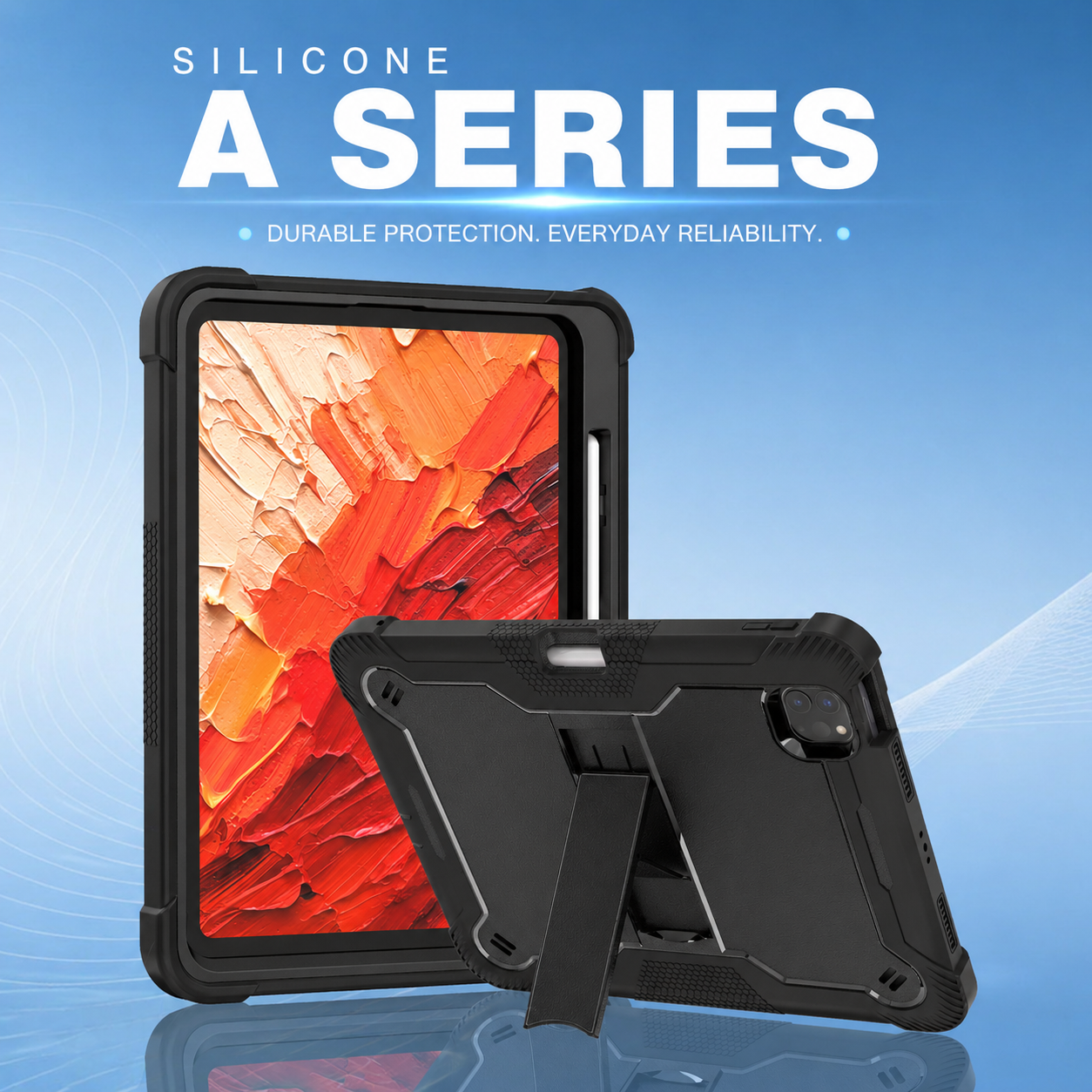
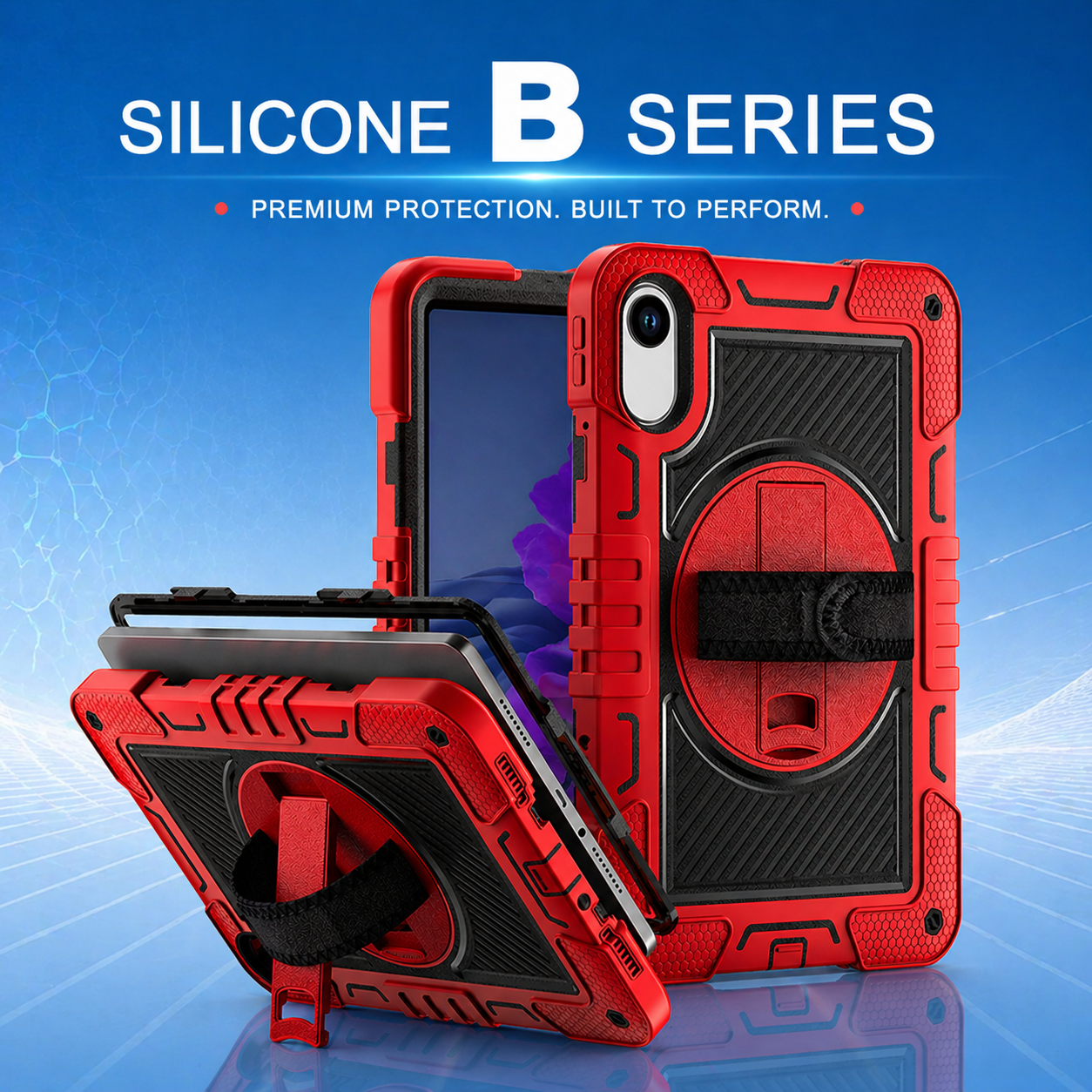
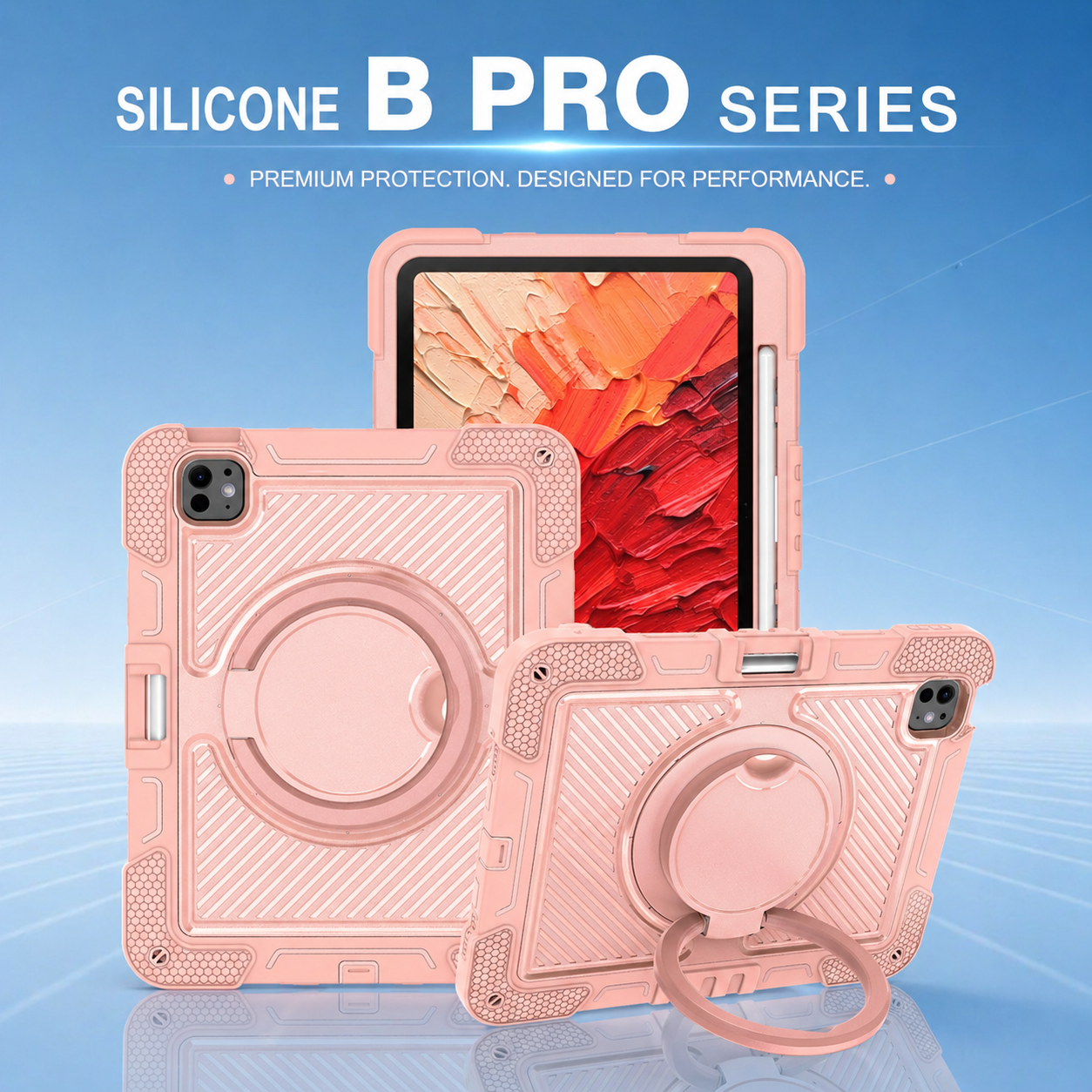
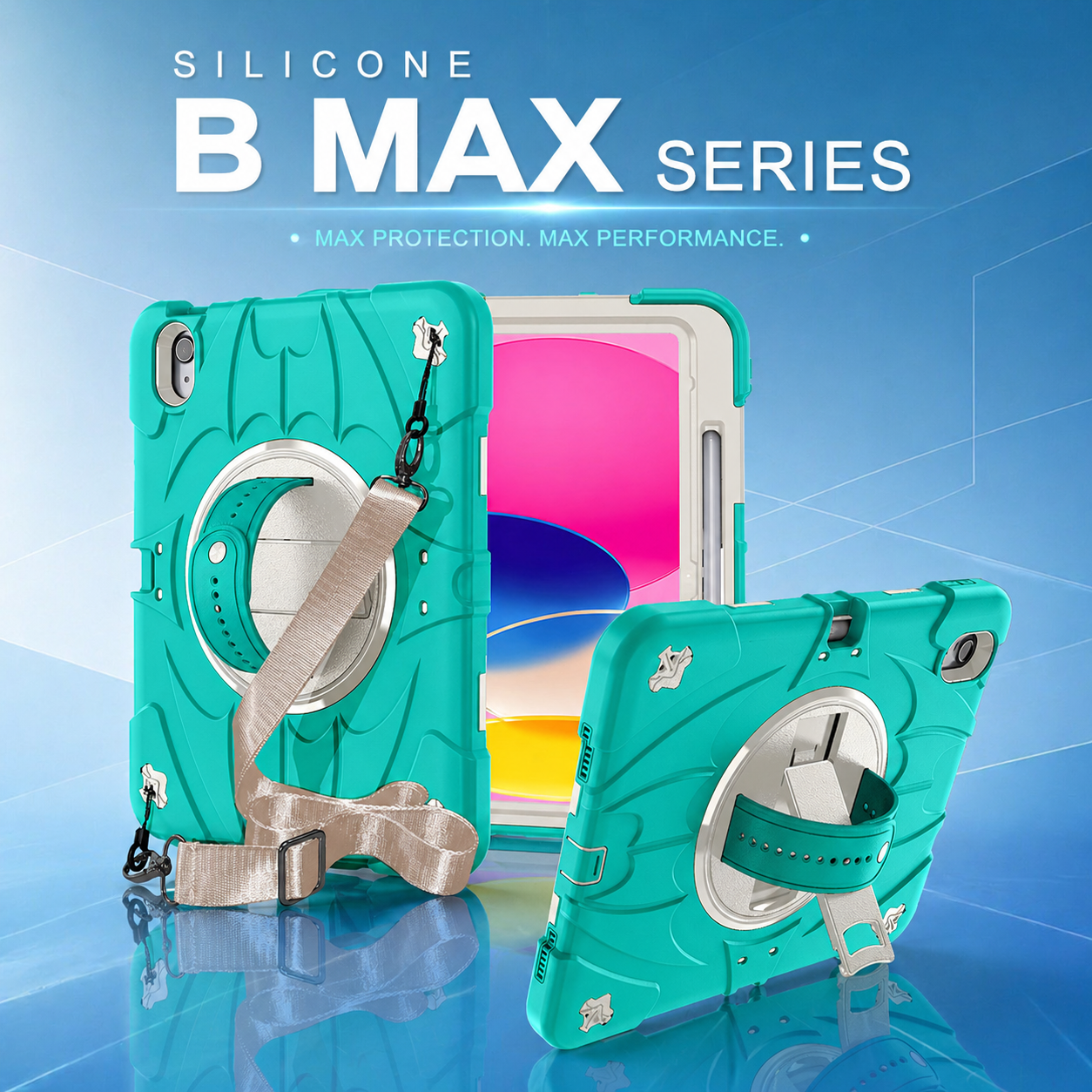
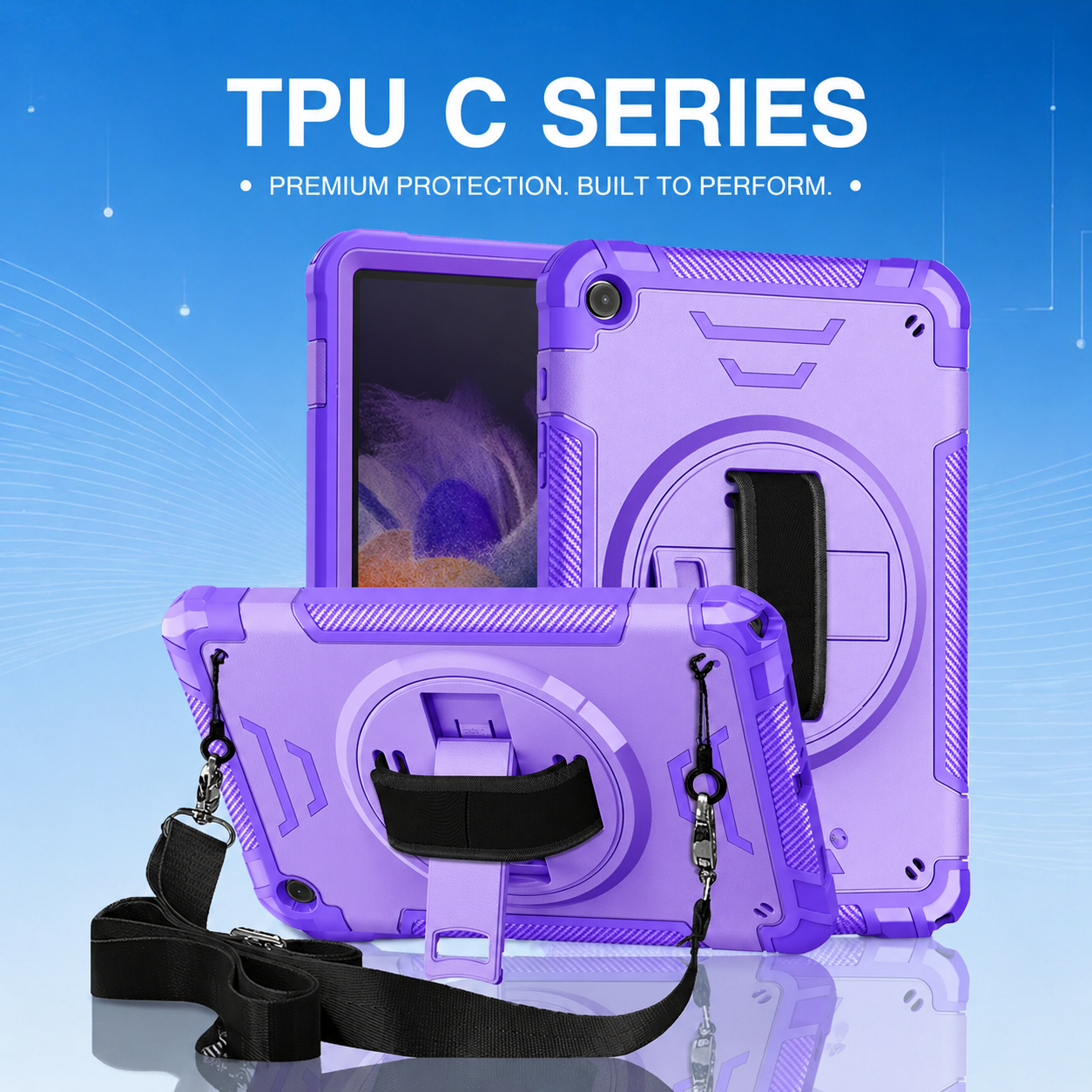
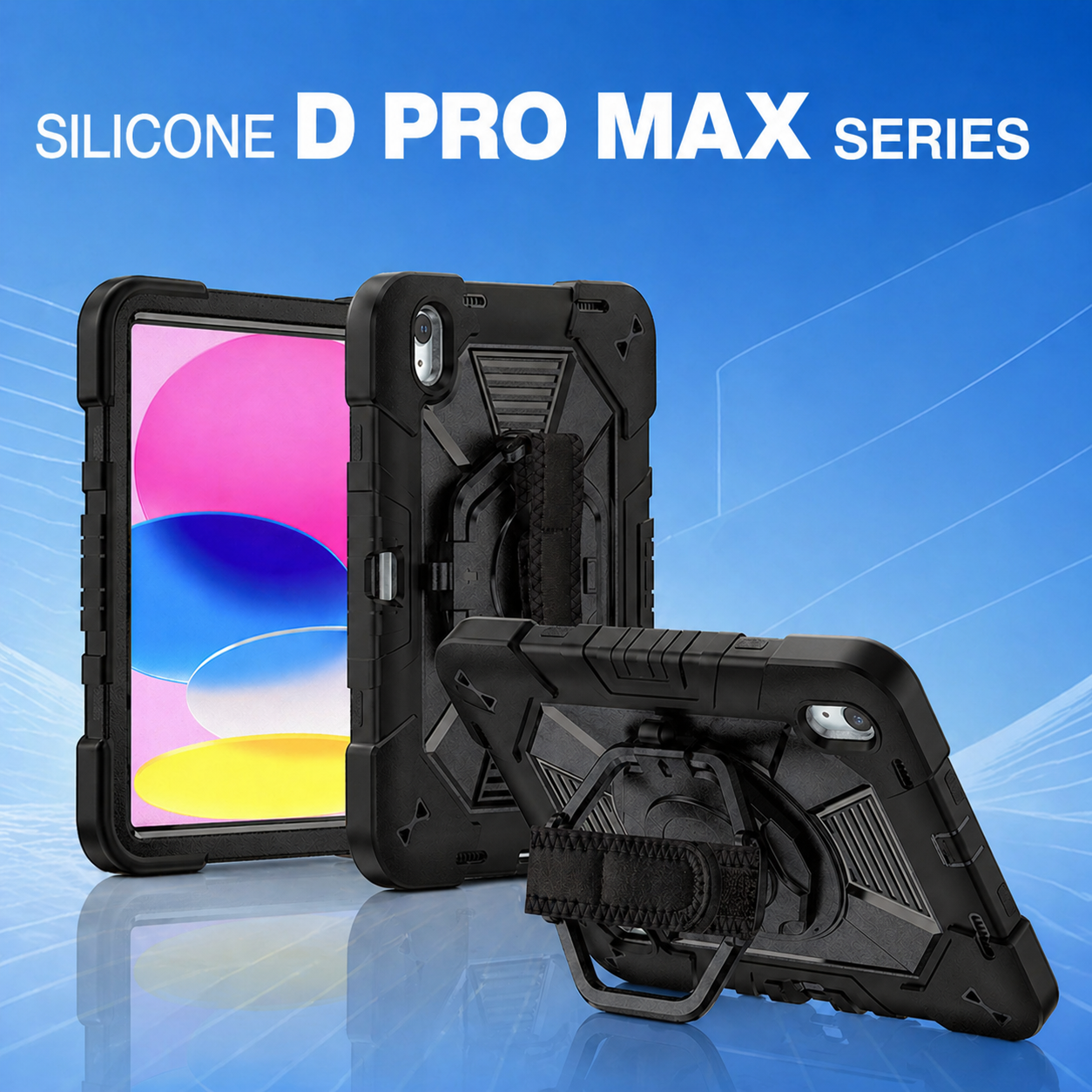
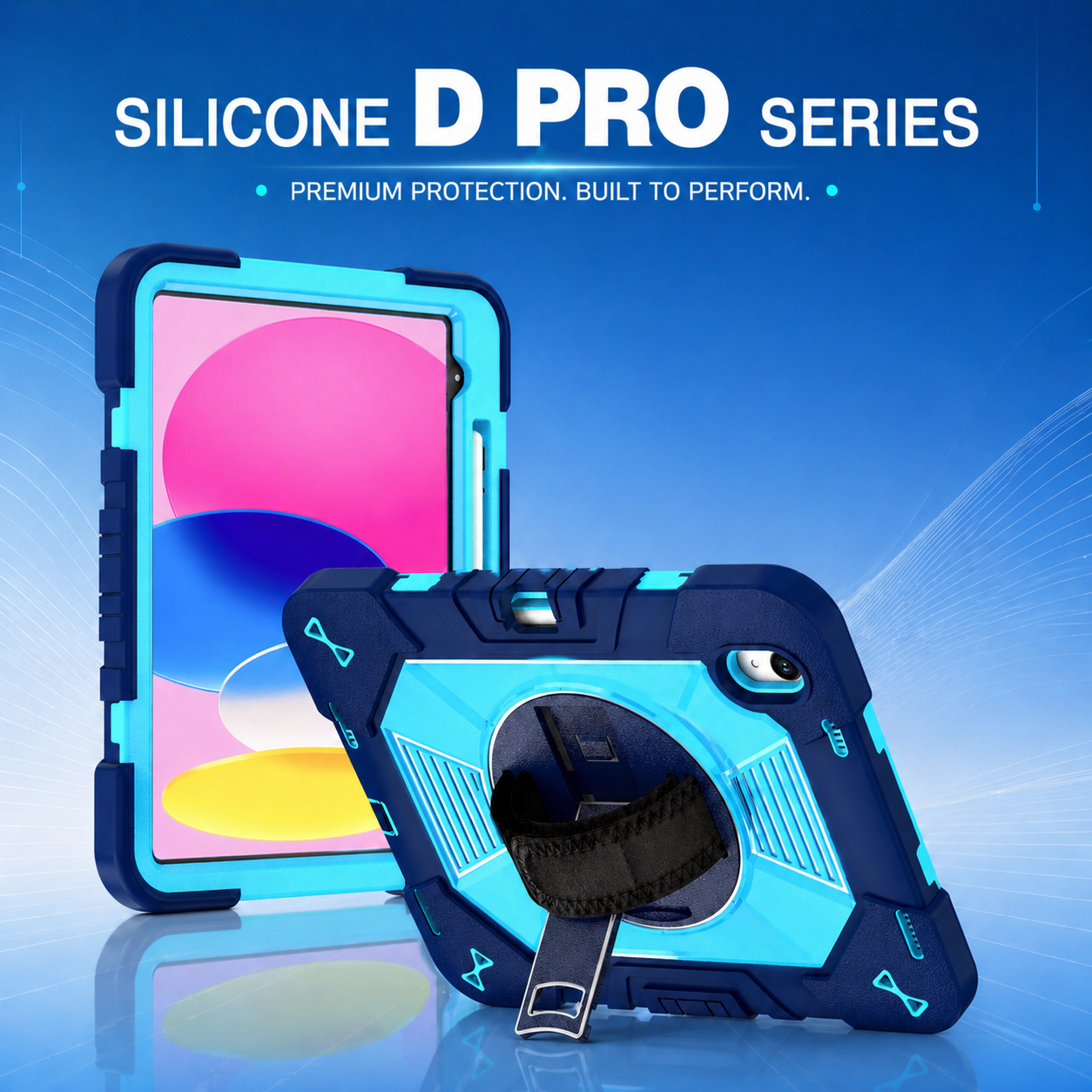
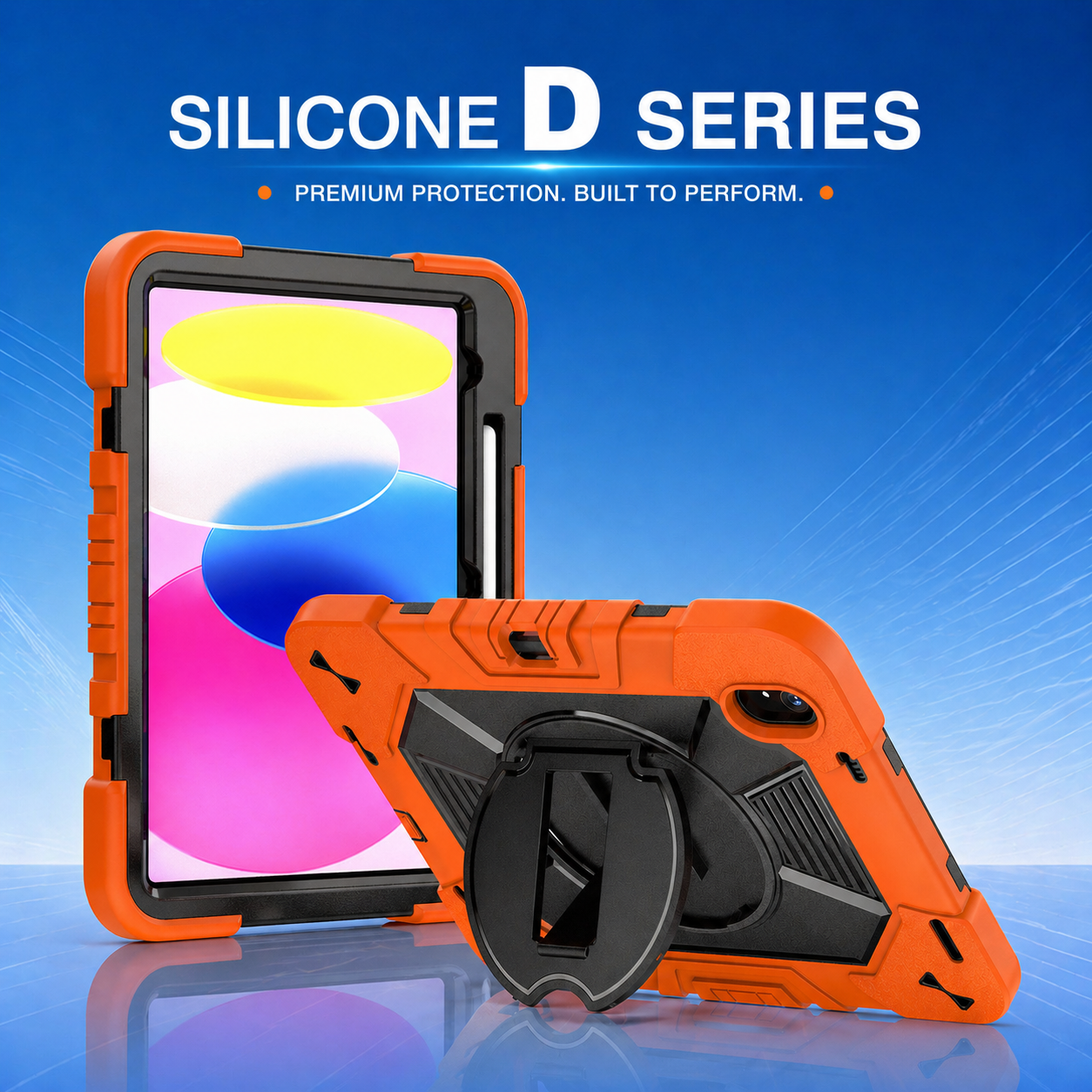

Engineering Durability: B2B Strategy Behind Every Rugged Tablet Case
In industrial and commercial environments where mobility drives productivity, tablets have evolved into mission-critical tools. From warehouse inventory systems and field service diagnostics to construction site documentation and healthcare data entry, tablets operate in demanding conditions. For enterprise buyers, selecting the right rugged tablet case is not a simple accessory decision—it is a long-term strategic investment that protects hardware assets, reduces downtime, and safeguards operational efficiency.
Understanding the B2B Protection Mindset
Unlike consumer markets, B2B procurement focuses on lifecycle cost rather than upfront price. A high-performance rugged tablet case must extend device lifespan, minimize repair frequency, and maintain usability under extreme stress. When tablets are exposed to repeated drops, vibration from machinery, dust infiltration, and moisture exposure, inadequate protection quickly leads to screen fractures, internal component damage, and workflow disruption.
Therefore, durability engineering begins with environmental analysis. Industrial buyers must define:
Average drop height risk
Frequency of device handling
Exposure to liquids, chemicals, or dust
Temperature fluctuation ranges
Transportation vibration intensity
Each factor directly influences how a rugged tablet case is engineered from concept to mass production.
Structural Engineering and Impact Science
True durability is rooted in structural design. A professional rugged tablet case typically adopts multi-layer construction:
Inner Shock-Absorbing Layer – Made of silicone or TPU to dissipate kinetic energy.
Rigid Outer Shell – Usually polycarbonate to maintain structural stability.
Reinforced Corners – Thickened bumpers to protect high-impact zones.
Raised Bezels – Elevated edges to prevent direct screen contact.
Impact testing often follows military-grade drop standards such as MIL-STD-810G. During testing, devices are dropped multiple times at various angles to simulate real-world accidents. Only after passing these procedures can a rugged tablet case be considered suitable for industrial deployment.
Functional Integration for Enterprise Operations
Protection must not compromise usability. In B2B environments, tablets are used continuously throughout the workday. Ergonomic design increases productivity and reduces operator fatigue.
Common enterprise-oriented features include:
360-degree rotating hand straps
Adjustable shoulder straps for mobility
Multi-angle kickstands for workstation use
Stylus holders for digital documentation
A well-designed rugged tablet case enhances workflow efficiency while maintaining structural protection. Balancing weight and durability is critical; excessive bulk may reduce user acceptance, while insufficient reinforcement compromises reliability.
Material Innovation and Long-Term Performance
Material selection determines how well a rugged tablet case withstands long-term wear. High-grade TPU resists cracking under temperature changes, while reinforced polycarbonate prevents deformation under pressure. In certain sectors such as healthcare, antimicrobial coatings are integrated to maintain hygiene standards.
Additionally, UV resistance and anti-slip surface textures ensure performance in outdoor and high-mobility scenarios. These details differentiate professional industrial solutions from consumer-level protective covers.
OEM, Customization, and Brand Positioning
For distributors and wholesalers, customization capability is a strategic advantage. A reliable rugged tablet case manufacturer offers OEM and ODM services, including:
Custom logo molding
Corporate color matching
Private-label packaging
Barcode and SKU integration
Tailored structural modifications
Customization allows brands to position their rugged tablet case product line for specific industries, improving competitiveness in global markets.
Compliance, Certification, and Quality Control
International distribution requires compliance documentation. Reputable manufacturers provide:
RoHS and REACH certification
Drop-test reports
Material safety data sheets
Batch quality inspection records
Consistent quality control systems reduce defect rates and protect distributor reputation. In B2B supply chains, transparency builds trust and long-term cooperation.
Supply Chain Stability and Scalability
Beyond engineering, production capability determines partnership sustainability. Enterprise buyers evaluate:
Mold development capacity
Monthly output volume
Raw material sourcing stability
Lead time reliability
A scalable rugged tablet case production line ensures consistent delivery even during seasonal demand surges. Stable partnerships reduce procurement risk and improve inventory planning accuracy.
Strategic Value Beyond Protection
Ultimately, a rugged tablet case contributes to more than physical protection. It reduces operational interruption, lowers maintenance costs, and safeguards data collection continuity. In industries where downtime translates directly into financial loss, durable protection becomes a measurable ROI factor.
Conclusion
Engineering durability requires a systematic B2B strategy that integrates material science, structural innovation, ergonomic functionality, compliance standards, and scalable manufacturing. A professionally designed rugged tablet case protects devices in the harshest environments while supporting enterprise productivity and brand competitiveness.
For distributors, wholesalers, and enterprise procurement teams, selecting the right rugged tablet case partner is not just about protection—it is about long-term operational resilience and sustainable growth.






.png)
+86 13422271740
.png)
info@tongmeitech.com
.png)
No. 34, Mashe Section, Guihe Road, Lishui Town, Foshan, Guangdong, China