- 1
- BLACKL
- TABLETAPPLE iPad A16(2025) iPad 10.9" 10th (2022) iPad 10.2" (7th/8th/9th) iPad Air 13" (M2/M3/M4)(2024/2025/2026)NEW iPad Air 11" (M2/M3/M4)(2024/2025/2026)NEW iPad Mini 8.3" (A7 Pro/6th Gen) iPad Pro13"(M4/M5)(2024/2025) iPad Pro11"(M4/M5)(2026) iPad 9.7" (5th/6th Gen) iPad Pro 12.9"(2018-2022) iPad Pro 11"(2018-2022) iPad 9.7"(2th/3th/4th) iPad Air 10.9"(4th/5th Gen) iPad Mini 7.9"(4th/5th Gen)SAMSUNG Galaxy Tab A11 Galaxy Tab A11 Plus Galaxy Tab S11 Galaxy Tab S12 PlusNEW Galaxy Tab S12 UltraNEW Galaxy Tab A9+ Galaxy Tab A9 Galaxy Tab A8 Galaxy Tab A7 Galaxy Tab A7 Lite Galaxy Tab S11 Ultra/S10 Ultra/S9 Ultra/S8 Ultra Galaxy Tab S10+/S9+/S9 FE+ Galaxy Tab S10Lite/S10 FE/S9 FE/S9 Galaxy Tab S8+/S7+/S7 FE Galaxy Tab S8/S7 Galaxy Tab S6 lite Galaxy Tab A10.1 Galaxy Tab A8.4 Galaxy Tab A8.0 Galaxy Tab S10 FE+LENOVO iDea tab 11/Tab K11 Gen 2 /Xiaoxin Pad 11 2025 Lenovo Tab K9 (Tab One) 2025 Lenovo Tab M10 10.1"(2025) Lenovo Tab M10 Plus 10.6" (3rd Gen) Lenovo Tab M10 HD 10.1" (3rd Gen) Lenovo K10/M10 Plus 10.3" (2nd Gen) Lenovo Tab M10 HD 10.1" (2nd Gen)XIAOMI Redmi Pad 2 9.7 InchNEW Xiaomi Pad8/8Pro 11.2" Redmi Pad2/Pad2.4G Xiaomi Pad 6/6 Pro 11" Redmi Pad 10.61" Redmi Pad Se 11" Redmi pad Se 4G 8.7" Xiaomi Pad7/7 Pro 11.2" Redmi Pad Pro/Xiaomi Poco Pad/Redmi Pad2 Pro 12.1HUAWEI Huawei Matepad Se 10.4" Huawei Matepad 11" Huawei Matepad 11.5" Huawei Matepad SE 11" Huawei Matepad T8 8" Huawei Matepad T10 9.7"
- CATEGORIES
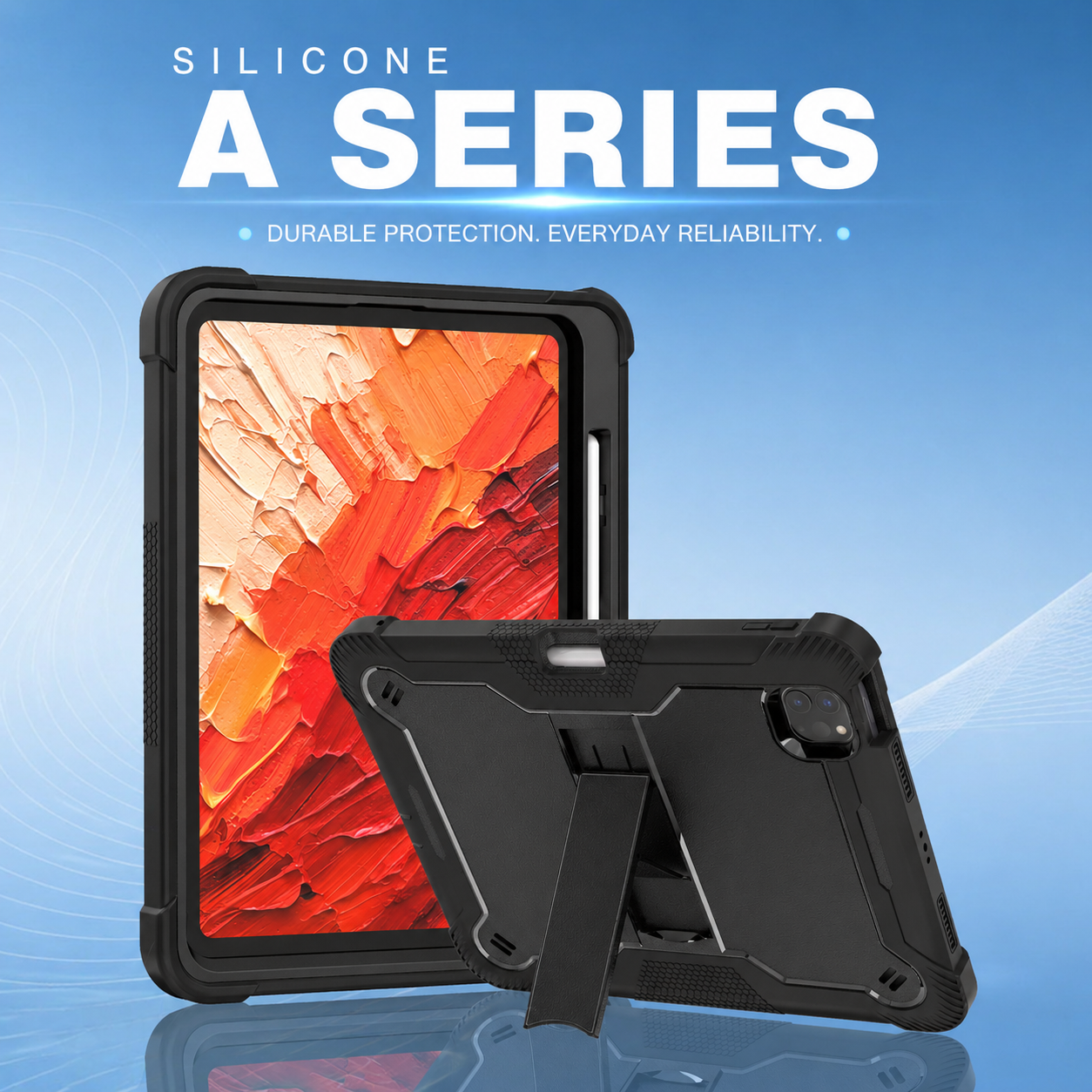
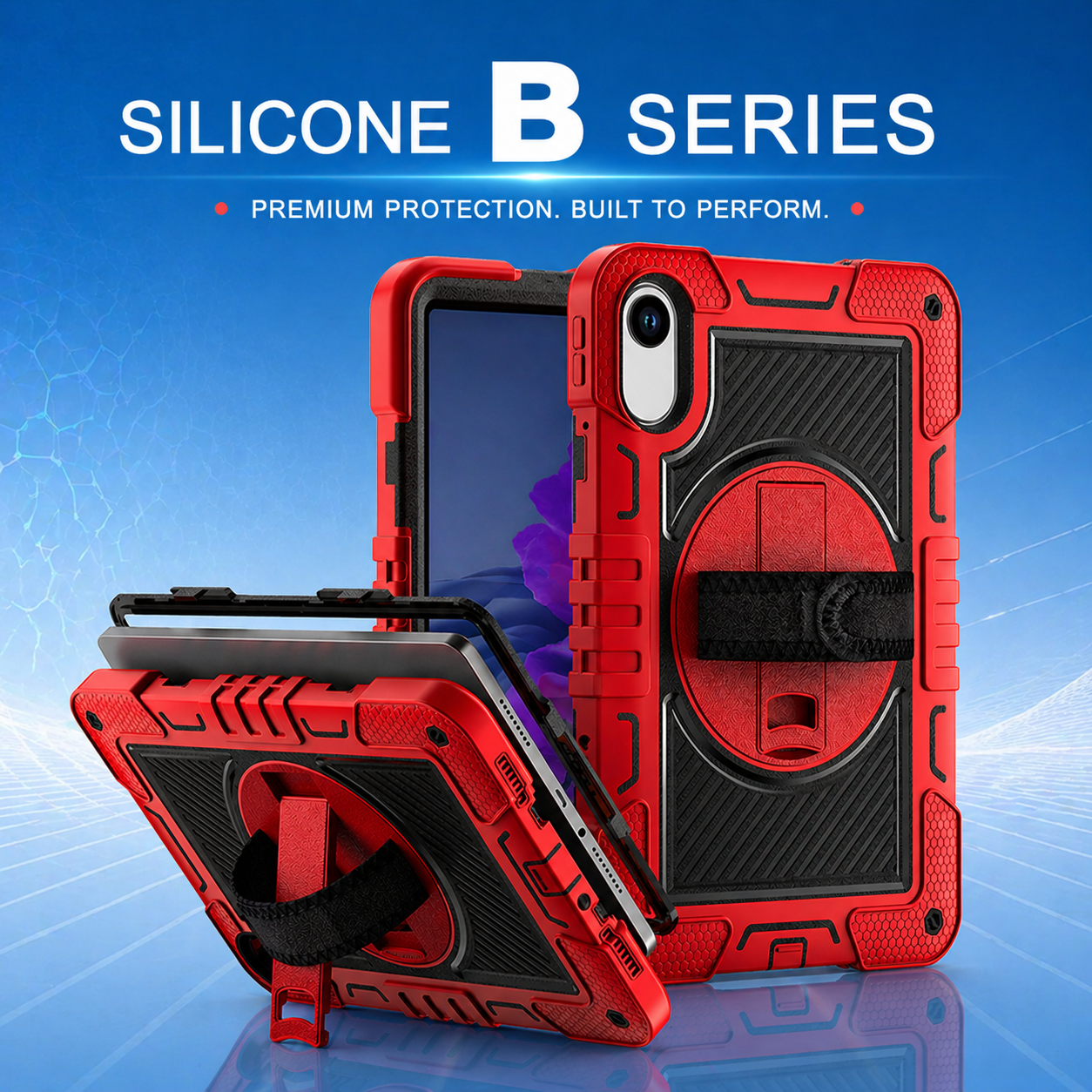
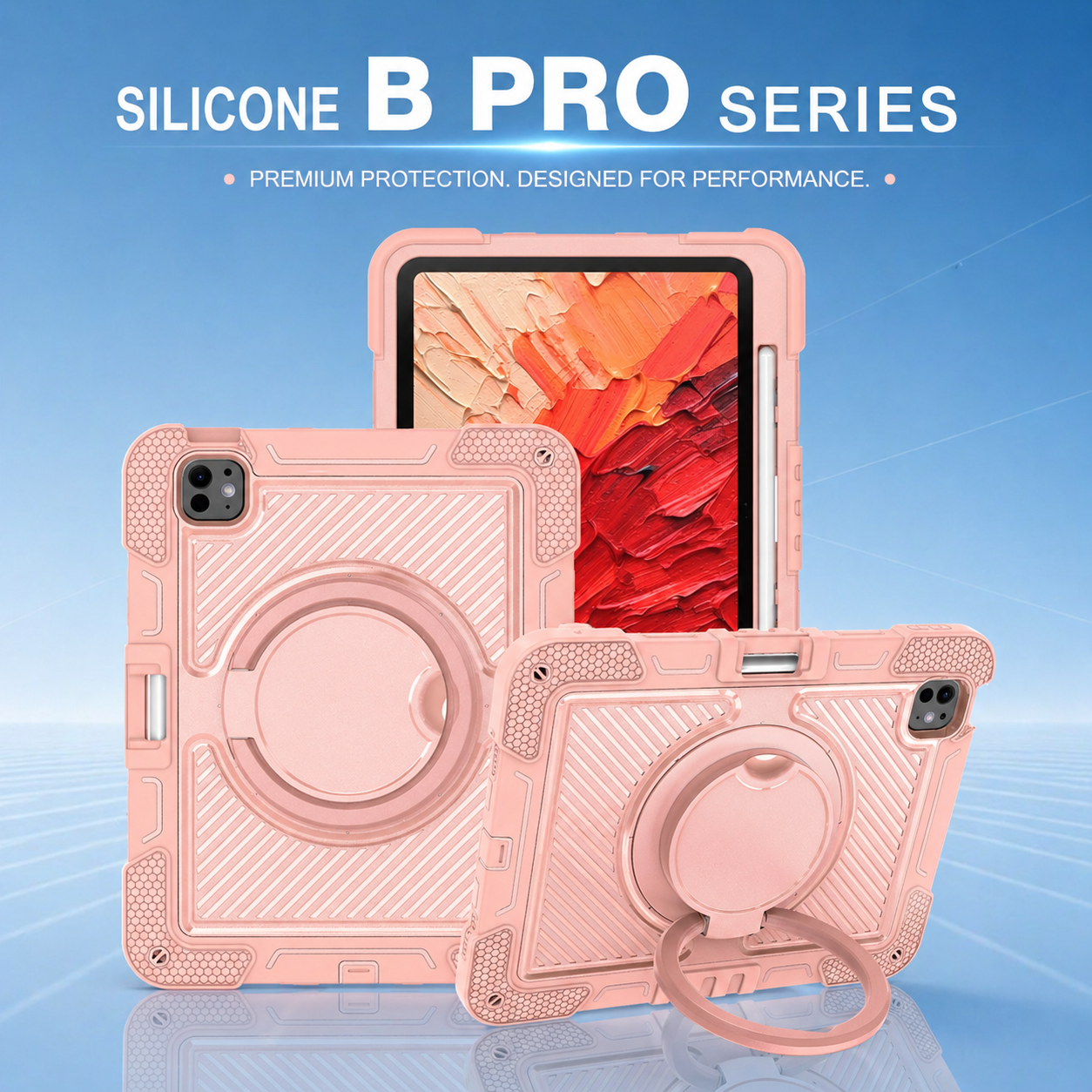
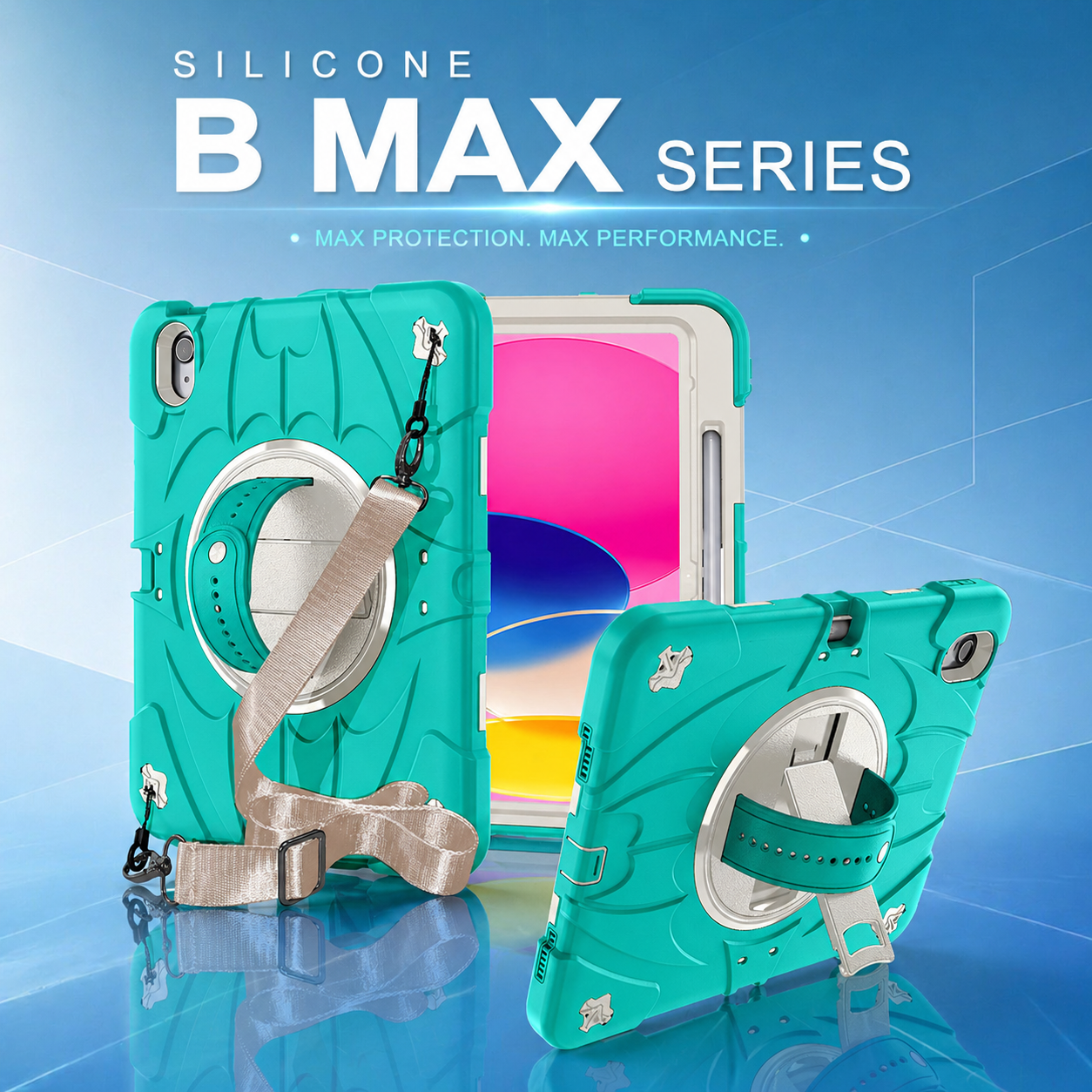
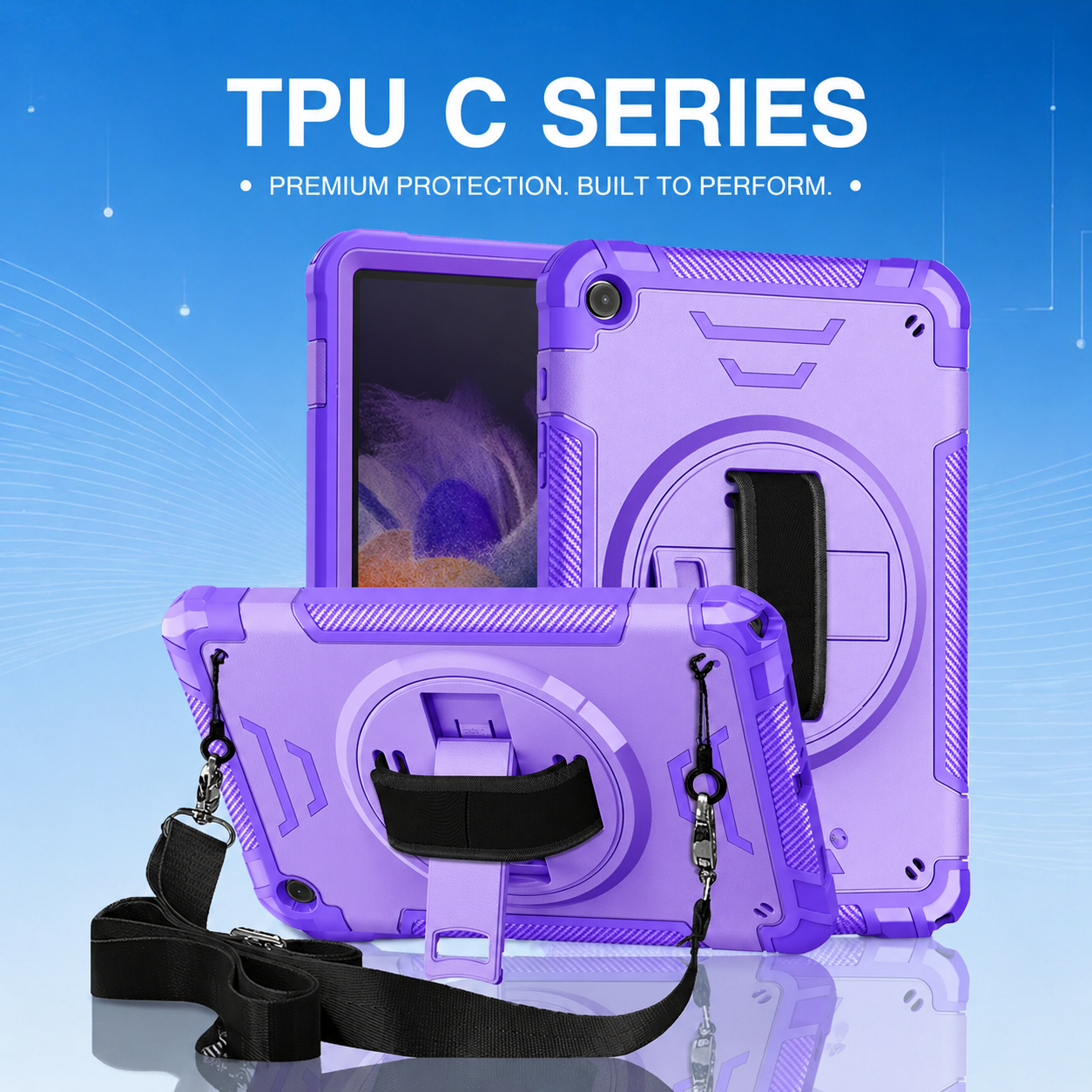
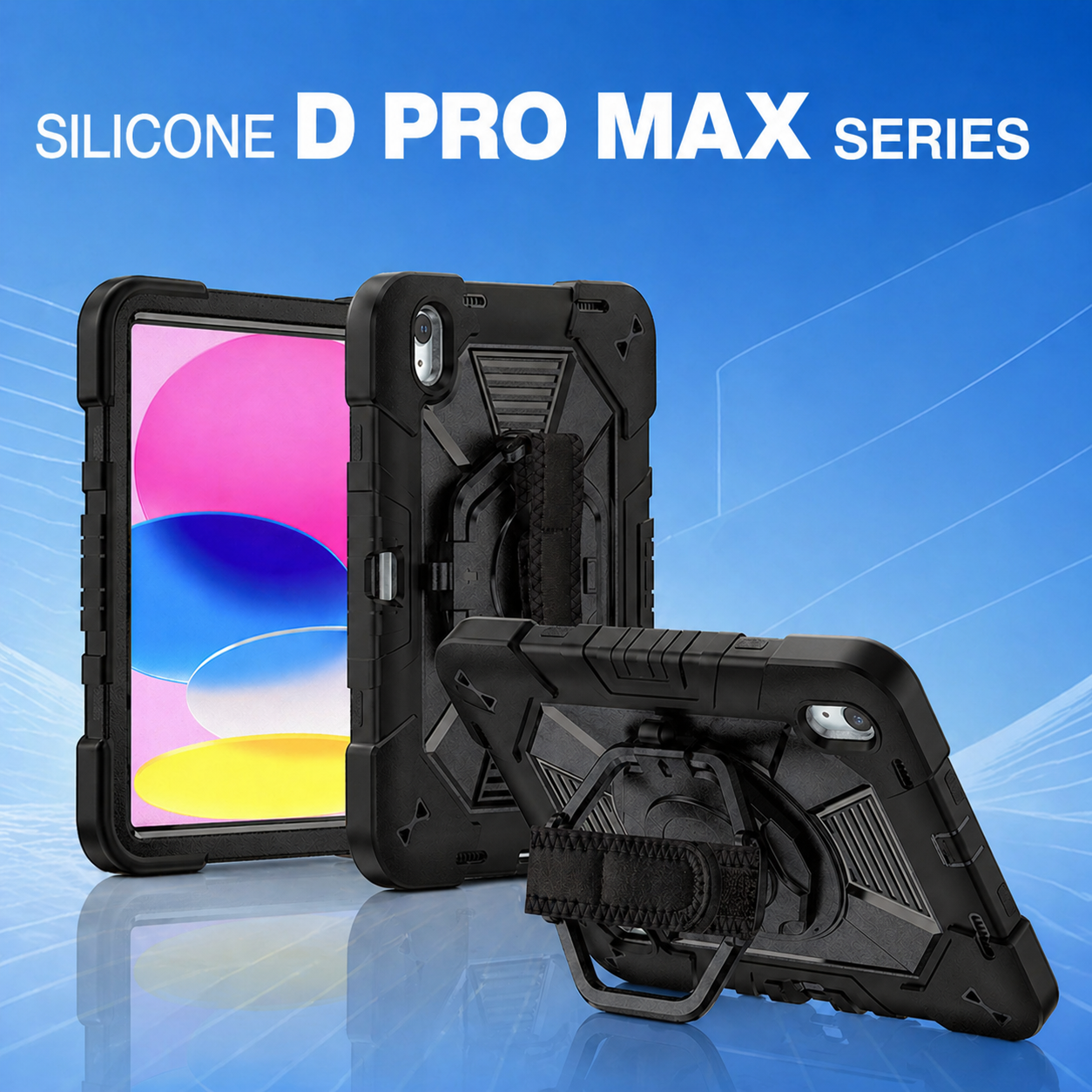
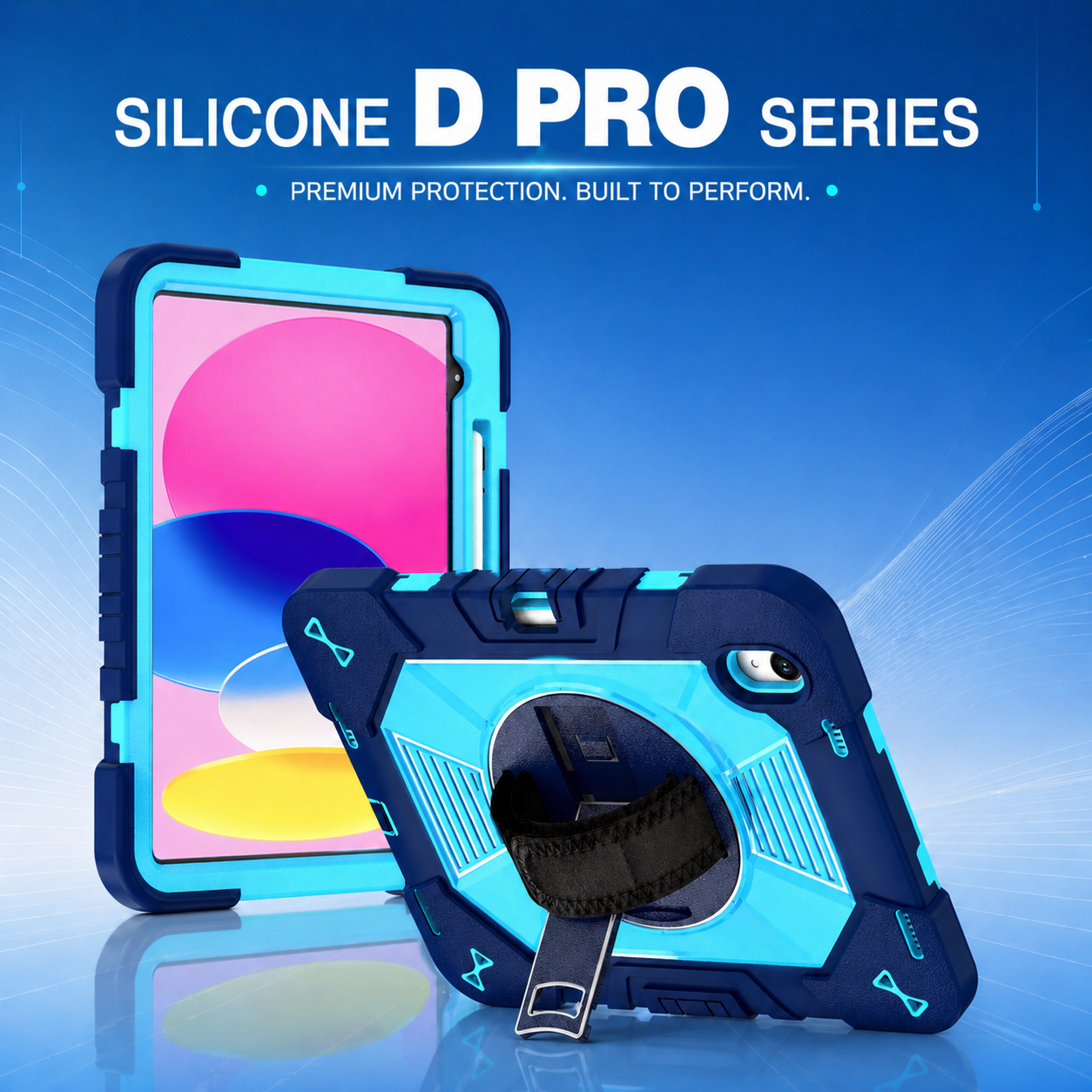
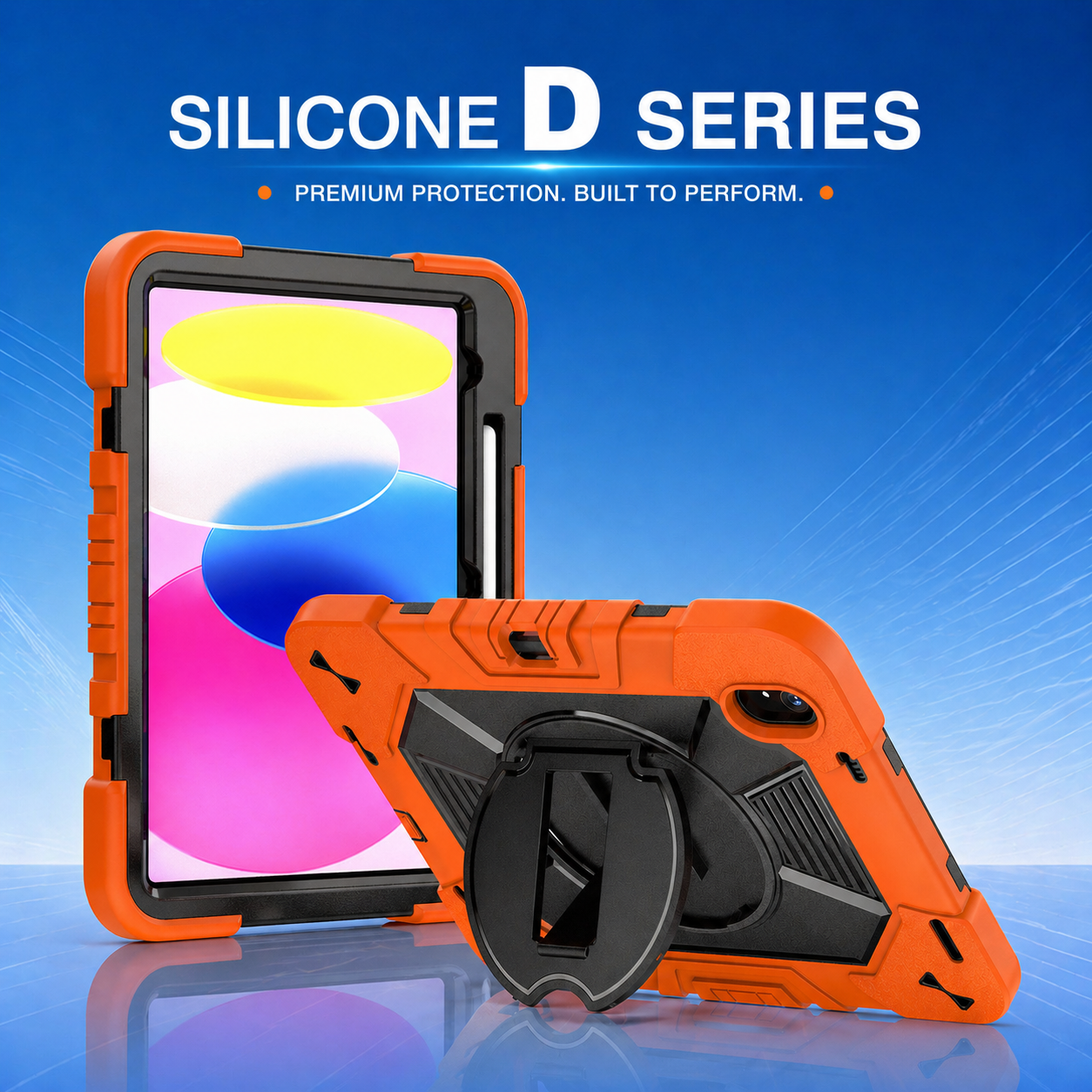

Innovation Trends Driving the Future of Rugged Tablet Case Solutions
As digital transformation accelerates across industries, tablets have become essential operational tools in logistics, manufacturing, construction, healthcare, retail, and field services. However, increasingly complex working environments demand higher standards of durability, ergonomics, and sustainability. The evolution of the rugged tablet case is no longer limited to basic impact resistance—it now reflects technological innovation, advanced materials science, and strategic B2B manufacturing upgrades.
This article explores the major innovation trends shaping the future of rugged tablet case solutions and what enterprise buyers should consider when planning long-term procurement strategies.
1. Advanced Material Innovation
Material science is at the center of next-generation rugged tablet case development. Traditional TPU and polycarbonate structures remain foundational, but manufacturers are introducing enhanced polymer blends that provide greater flexibility without compromising structural rigidity.
Emerging material trends include:
High-elasticity shock-diffusion polymers
UV-resistant formulations for outdoor durability
Temperature-stable compounds preventing cracking in extreme climates
Anti-yellowing treatments for long-term aesthetic preservation
In healthcare and public-use environments, antimicrobial coatings are becoming a standard feature. These coatings reduce surface contamination and improve hygiene compliance, making the rugged tablet case suitable for medical and laboratory settings.
2. Lightweight Structural Engineering
Industrial users often operate tablets for extended periods. Excessive weight can reduce comfort and efficiency. Therefore, manufacturers are investing in structural optimization technologies.
Using 3D modeling software and impact simulation systems, engineers refine internal rib patterns and reinforcement zones to eliminate unnecessary material mass. The goal is to create a rugged tablet case that delivers military-grade protection while remaining lightweight and ergonomic.
Balanced weight distribution also improves user handling, particularly when integrating rotating hand straps or shoulder harness systems.
3. Modular and Multi-Functional Design
Future-ready rugged tablet case solutions are increasingly modular. Instead of a fixed configuration, modular systems allow users to attach or detach accessories based on operational needs.
Common modular enhancements include:
Removable hand straps
Detachable shoulder straps
Interchangeable kickstand modules
Integrated stylus holders
Expandable mounting brackets
This flexibility allows distributors to serve multiple industry segments with a single base rugged tablet case platform, improving inventory efficiency and product versatility.
4. Enhanced Impact Protection Systems
Drop protection standards continue to evolve. Modern impact engineering focuses not only on absorbing force but also on dispersing it intelligently.
Innovative developments include:
Air-cushion corner chambers
Multi-directional shock channels
Floating internal frame designs
Raised edge geometry for screen and camera protection
Military-grade certifications such as MIL-STD-810G remain a benchmark, but advanced manufacturers go beyond compliance to improve repeated-impact resistance. A premium rugged tablet case must survive not just one drop, but consistent real-world usage over time.
5. Sustainable Manufacturing and Eco-Conscious Materials
Sustainability is becoming a decisive factor in B2B procurement decisions. Distributors and enterprise buyers increasingly prefer environmentally responsible suppliers.
Emerging sustainability practices include:
Recyclable packaging materials
Reduced plastic waste during injection molding
Energy-efficient production systems
Bio-based polymer experimentation
While maintaining durability standards, manufacturers are working toward greener production cycles. A forward-looking rugged tablet case supplier aligns environmental responsibility with industrial performance.
6. Smart Integration and Accessory Compatibility
As industrial IoT systems expand, tablets are often integrated into larger digital ecosystems. Future rugged tablet case solutions are being designed to support mounting systems, vehicle docks, warehouse brackets, and scanning accessories.
Structural compatibility ensures seamless integration without compromising drop resistance. For B2B buyers, this means selecting a rugged tablet case platform that supports long-term technological upgrades.
7. Strengthened OEM and Customization Capabilities
Brand differentiation remains a competitive priority in global B2B markets. Manufacturers are expanding OEM and ODM services to include:
Custom logo molding and embossing
Unique texture finishes
Industry-specific color schemes
Retail-ready packaging design
Customized structural reinforcements
This level of customization transforms a rugged tablet case into a brand-aligned industrial solution tailored for niche sectors such as construction, logistics, education, or healthcare.
8. Scalable and Digitally Managed Production
Digital transformation within manufacturing facilities enhances precision and scalability. Automated injection molding, digital quality tracking systems, and real-time production monitoring improve batch consistency.
A technologically advanced rugged tablet case factory ensures:
Stable raw material sourcing
Reduced defect rates
Faster lead times
Transparent production reporting
For distributors, these capabilities reduce supply chain risk and enhance forecasting accuracy.
Strategic Outlook for B2B Buyers
The rugged tablet case industry is shifting from simple protection accessories to comprehensive industrial device protection systems. Innovation now encompasses materials, ergonomics, sustainability, digital manufacturing, and modular adaptability.
Enterprise procurement teams should evaluate suppliers based not only on price and drop-test certification, but also on:
Innovation investment capability
Long-term material performance
Sustainable production practices
Customization flexibility
Production scalability
Selecting a future-oriented rugged tablet case partner ensures resilience in rapidly evolving industrial markets.
Conclusion
Innovation is redefining the standards of rugged tablet case manufacturing. Advanced materials, lightweight structural optimization, modular functionality, environmental responsibility, and digital production management are shaping the next generation of industrial protection solutions.
For distributors, wholesalers, and enterprise buyers, investing in an innovative rugged tablet case platform provides more than device protection—it supports operational continuity, brand competitiveness, and sustainable long-term growth in global B2B markets.





.png)
+86 13422271740
.png)
info@tongmeitech.com
.png)
No. 34, Mashe Section, Guihe Road, Lishui Town, Foshan, Guangdong, China