- 1
- BLACKL
- TABLETAPPLE iPad A16(2025) iPad 10.9" 10th (2022) iPad 10.2" (7th/8th/9th) iPad Air 13" (M2/M3/M4)(2024/2025/2026)NEW iPad Air 11" (M2/M3/M4)(2024/2025/2026)NEW iPad Mini 8.3" (A7 Pro/6th Gen) iPad Pro13"(M4/M5)(2024/2025) iPad Pro11"(M4/M5)(2026) iPad 9.7" (5th/6th Gen) iPad Pro 12.9"(2018-2022) iPad Pro 11"(2018-2022) iPad 9.7"(2th/3th/4th) iPad Air 10.9"(4th/5th Gen) iPad Mini 7.9"(4th/5th Gen)SAMSUNG Galaxy Tab A11 Galaxy Tab A11 Plus Galaxy Tab S11 Galaxy Tab S12 PlusNEW Galaxy Tab S12 UltraNEW Galaxy Tab A9+ Galaxy Tab A9 Galaxy Tab A8 Galaxy Tab A7 Galaxy Tab A7 Lite Galaxy Tab S11 Ultra/S10 Ultra/S9 Ultra/S8 Ultra Galaxy Tab S10+/S9+/S9 FE+ Galaxy Tab S10Lite/S10 FE/S9 FE/S9 Galaxy Tab S8+/S7+/S7 FE Galaxy Tab S8/S7 Galaxy Tab S6 lite Galaxy Tab A10.1 Galaxy Tab A8.4 Galaxy Tab A8.0 Galaxy Tab S10 FE+LENOVO iDea tab 11/Tab K11 Gen 2 /Xiaoxin Pad 11 2025 Lenovo Tab K9 (Tab One) 2025 Lenovo Tab M10 10.1"(2025) Lenovo Tab M10 Plus 10.6" (3rd Gen) Lenovo Tab M10 HD 10.1" (3rd Gen) Lenovo K10/M10 Plus 10.3" (2nd Gen) Lenovo Tab M10 HD 10.1" (2nd Gen)XIAOMI Redmi Pad 2 9.7 InchNEW Xiaomi Pad8/8Pro 11.2" Redmi Pad2/Pad2.4G Xiaomi Pad 6/6 Pro 11" Redmi Pad 10.61" Redmi Pad Se 11" Redmi pad Se 4G 8.7" Xiaomi Pad7/7 Pro 11.2" Redmi Pad Pro/Xiaomi Poco Pad/Redmi Pad2 Pro 12.1HUAWEI Huawei Matepad Se 10.4" Huawei Matepad 11" Huawei Matepad 11.5" Huawei Matepad SE 11" Huawei Matepad T8 8" Huawei Matepad T10 9.7"
- CATEGORIES
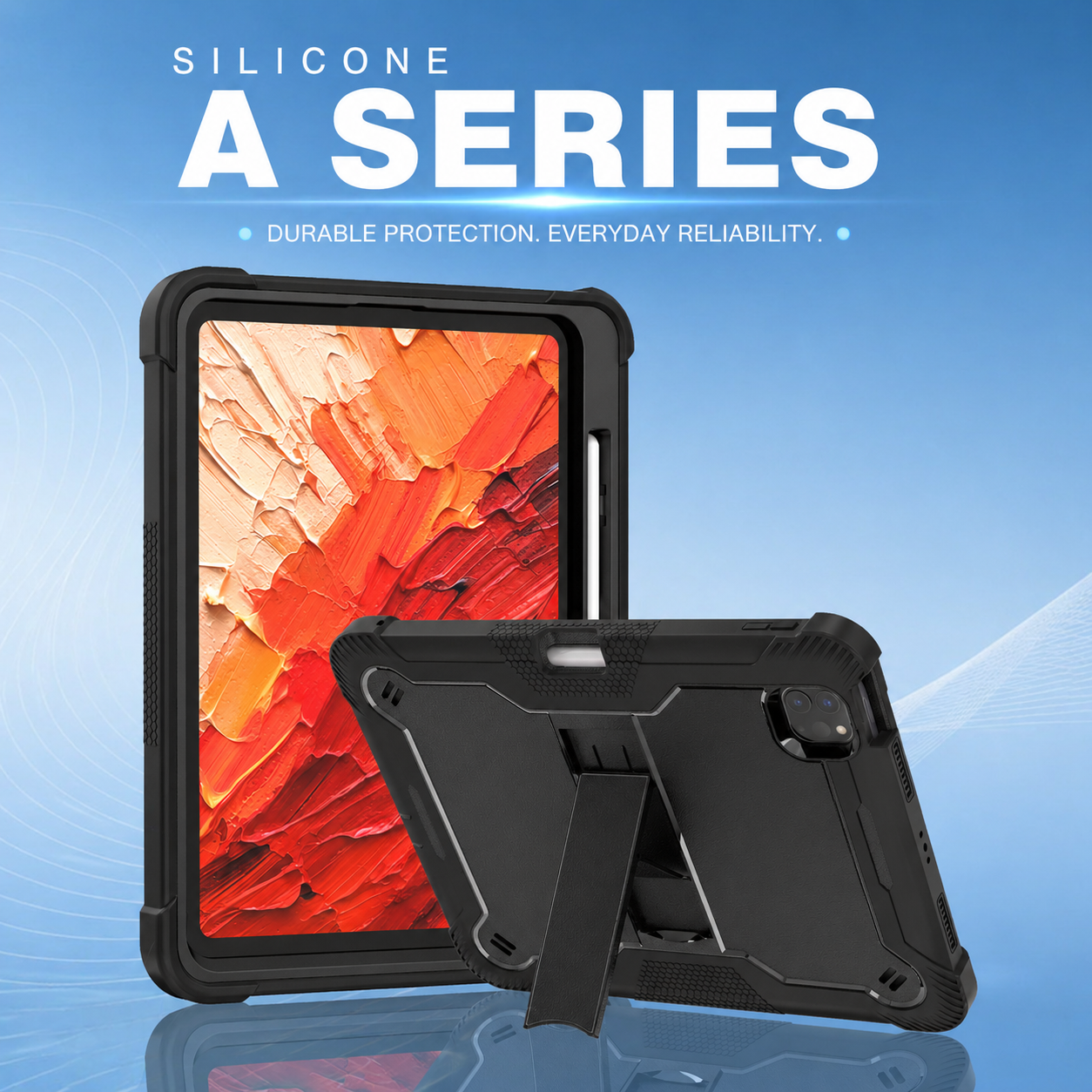
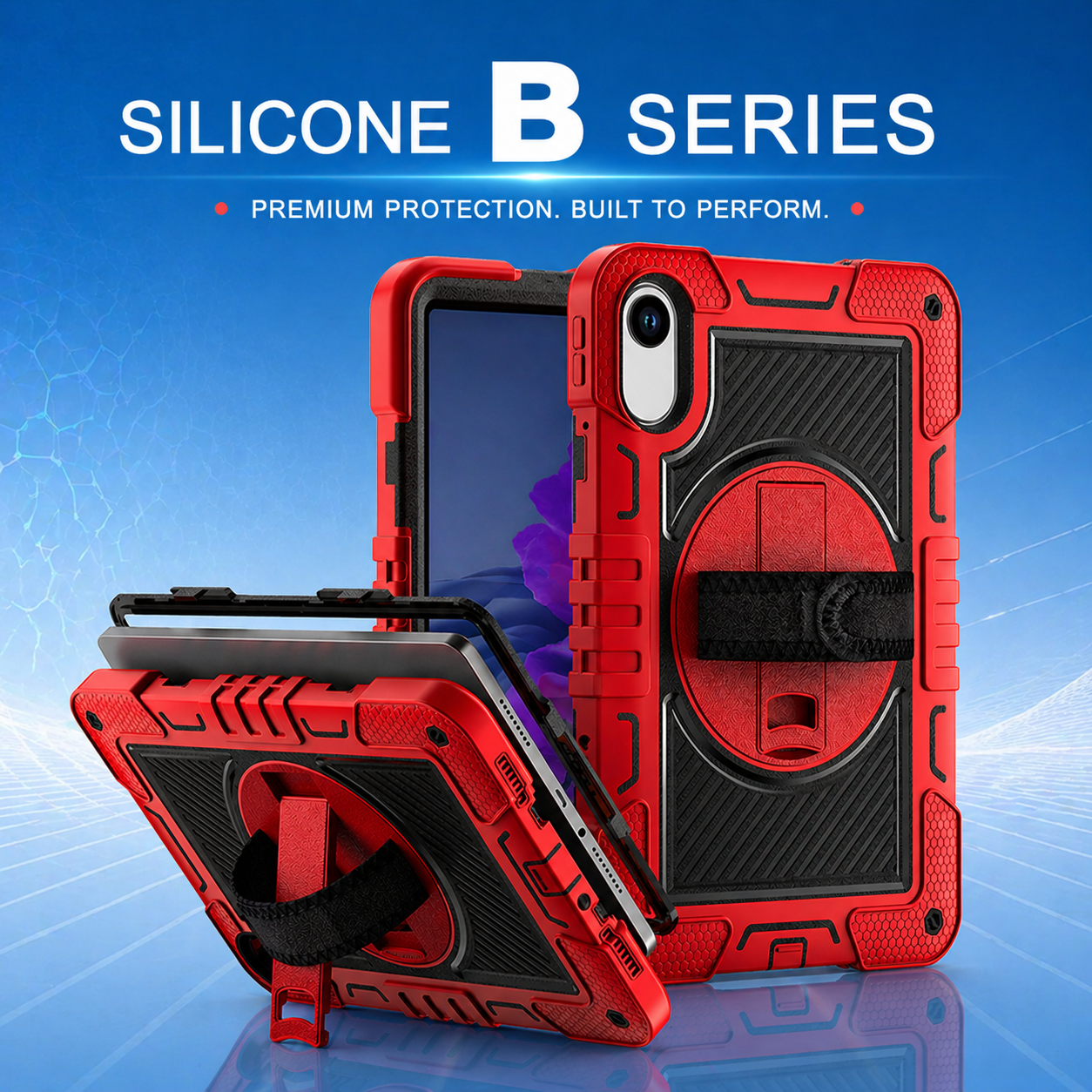
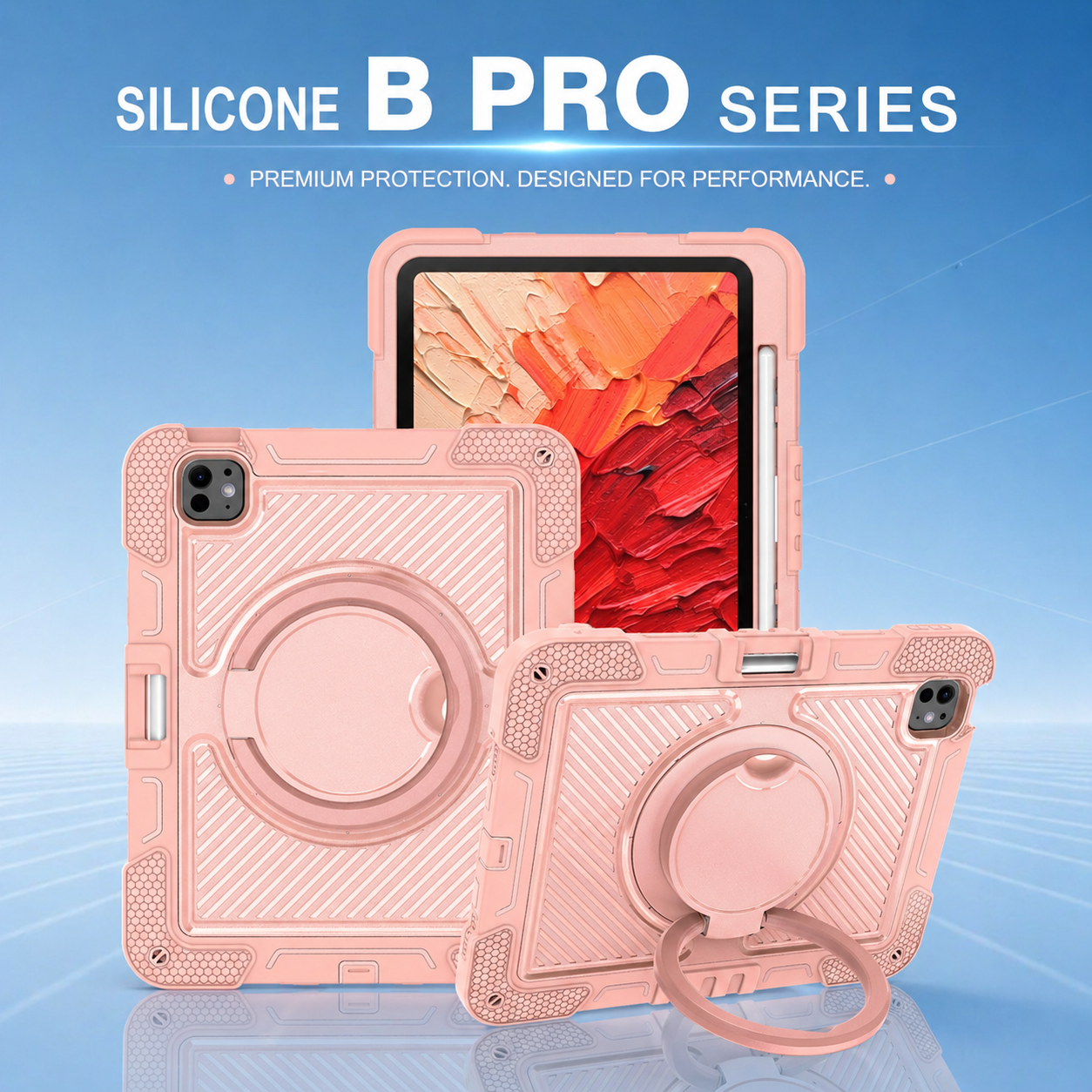
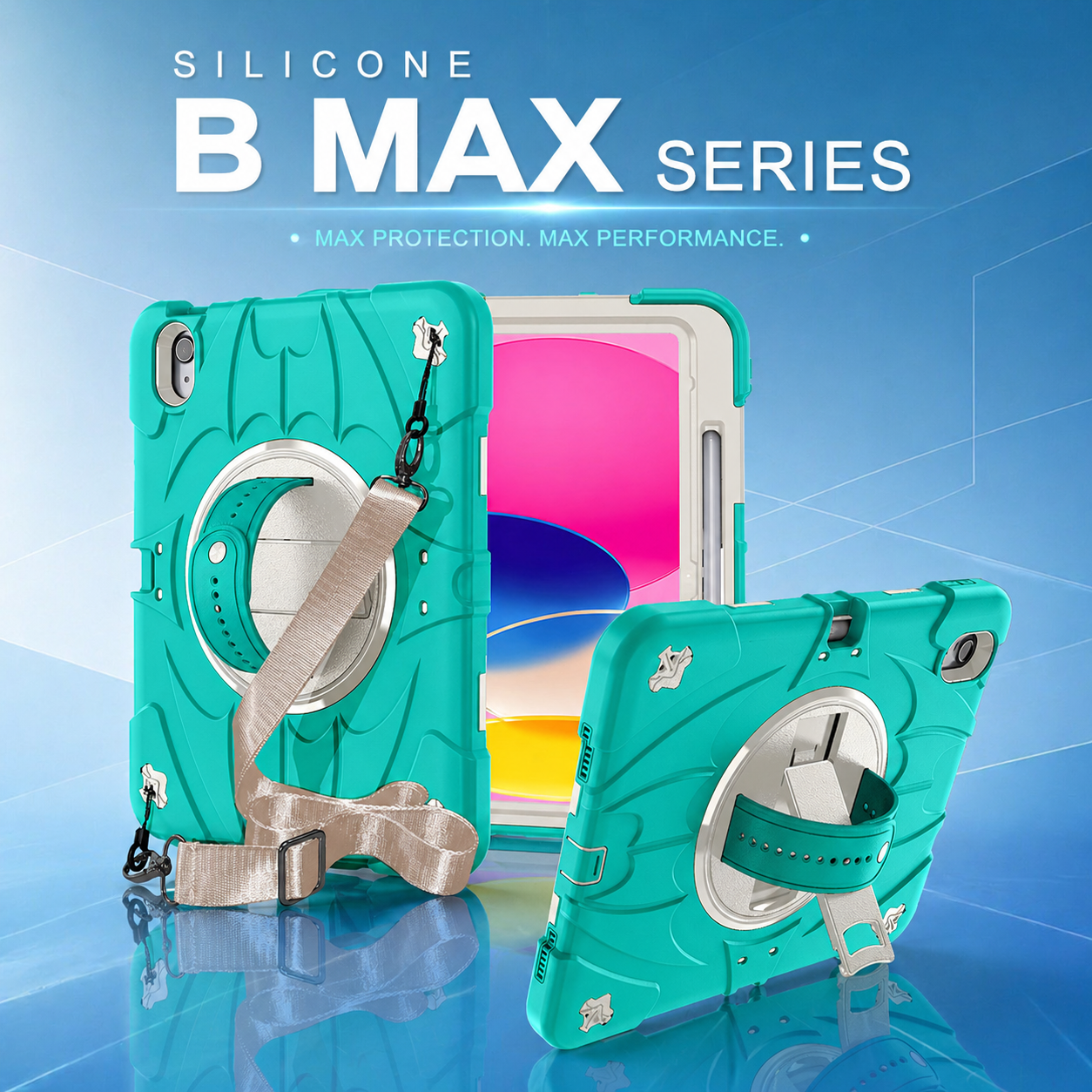
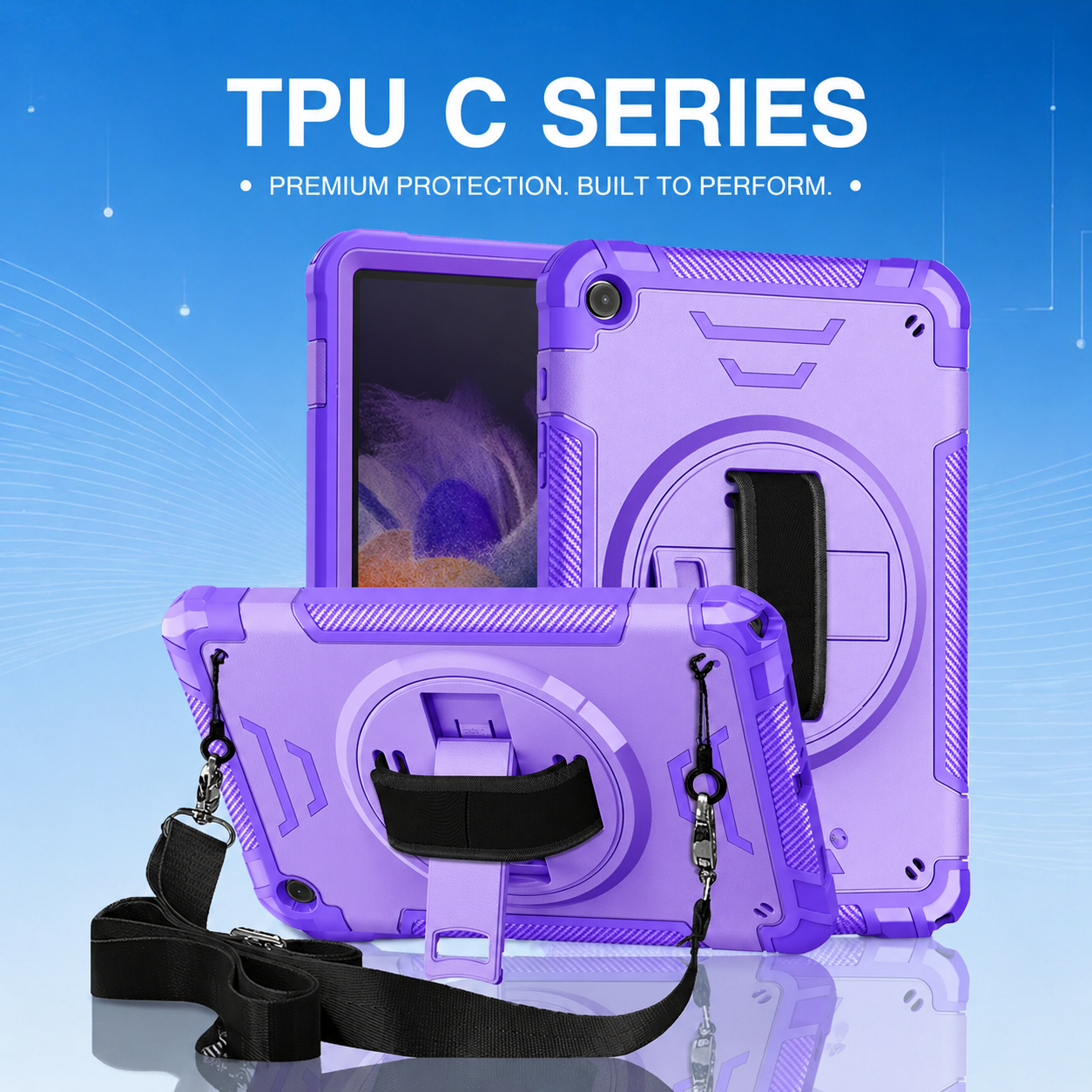
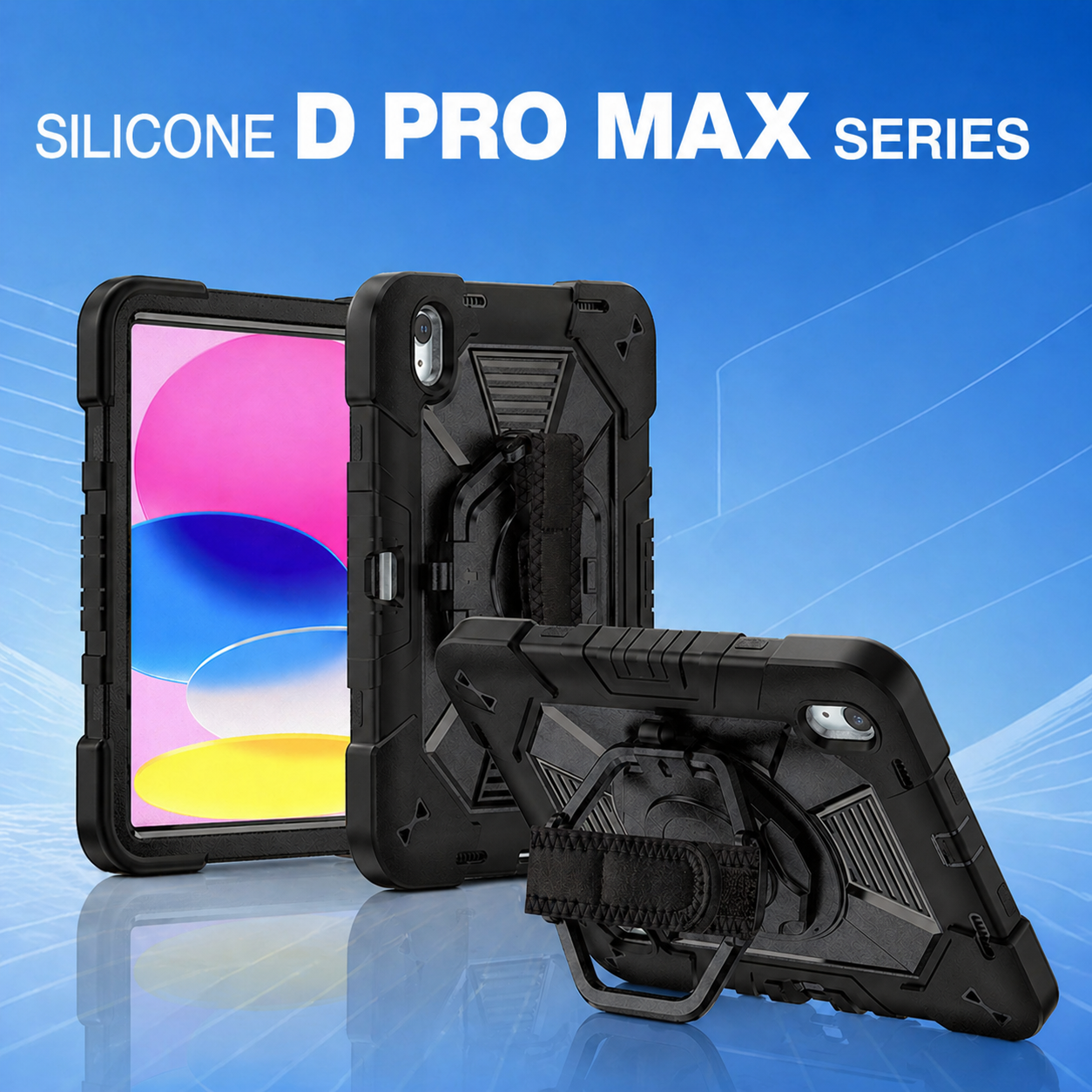
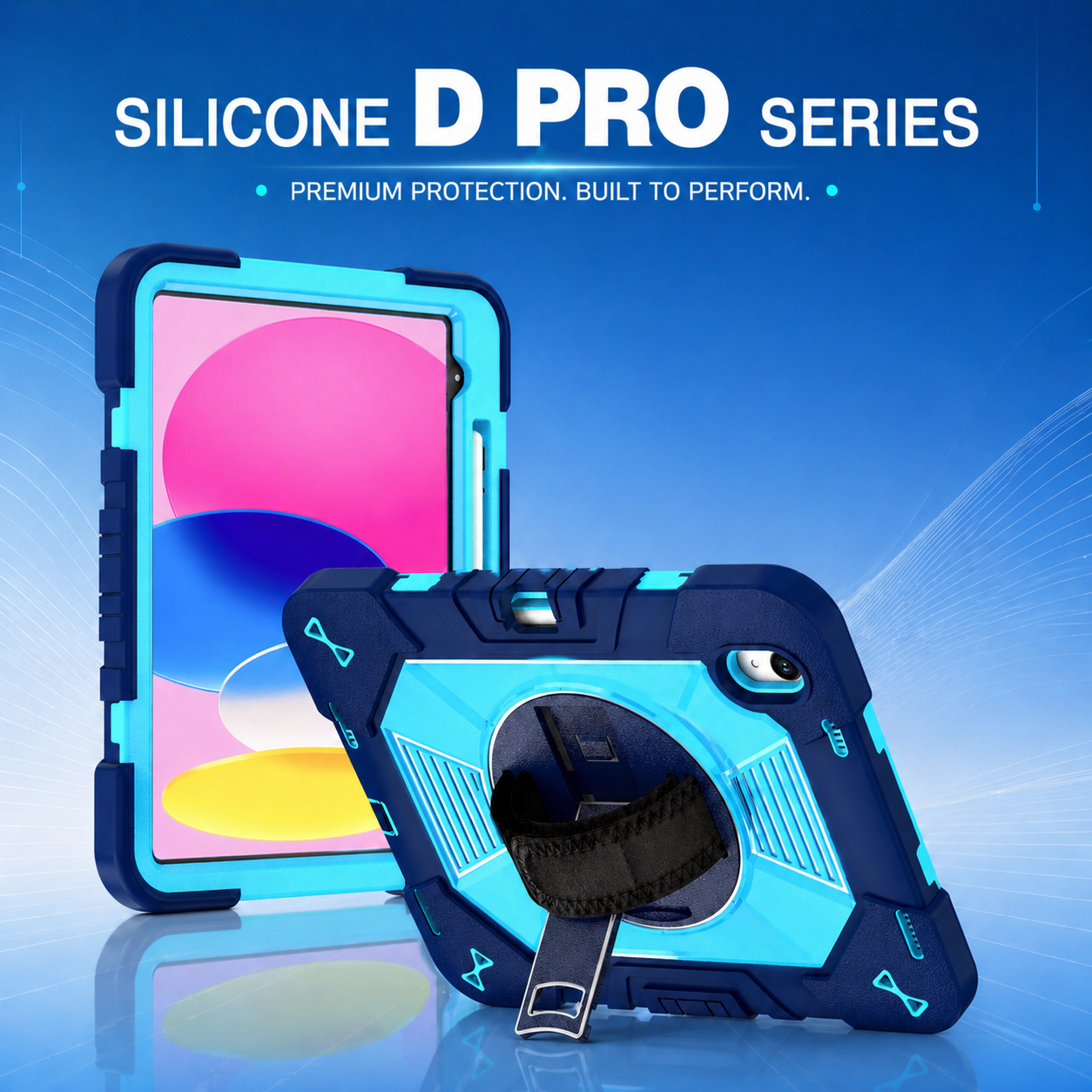
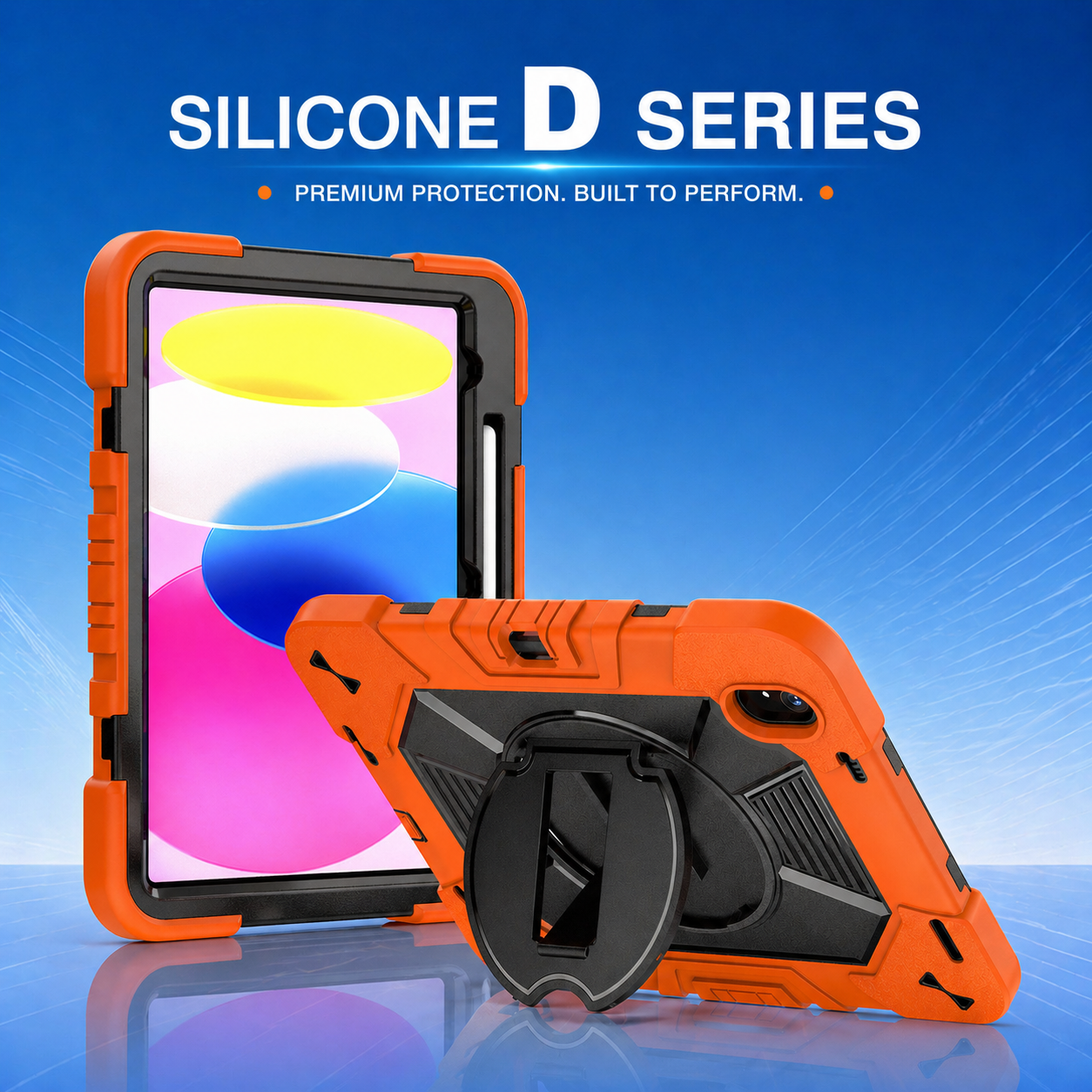

Material Innovation Reshaping the Future of Tablet Protection
The global tablet protection industry is experiencing a period of rapid transformation as manufacturers invest in advanced materials and engineering technologies. Growing demand from industrial, commercial, educational, and enterprise sectors is driving innovation aimed at improving durability, usability, and product longevity. As tablets become essential business tools, the materials used in protective cases play a critical role in determining product performance and market competitiveness.
Historically, tablet cases were primarily designed to prevent scratches and minor impacts. However, the expansion of tablet usage into manufacturing plants, warehouses, healthcare facilities, construction sites, and outdoor work environments has significantly increased protection requirements. Today's users expect solutions capable of withstanding harsh operating conditions while maintaining device accessibility and comfort.
One of the most important developments in the industry is the widespread adoption of TPU tablet case technology. Thermoplastic polyurethane (TPU) offers an excellent balance between flexibility and durability. Unlike traditional rigid plastics, TPU can absorb impact energy more effectively, reducing the risk of damage during accidental drops. Its lightweight properties also improve user comfort, making it an attractive option for both consumer and enterprise applications.
Another major innovation involves the growing popularity of PC+Silicone tablet case designs. These hybrid structures combine the strength of polycarbonate (PC) with the shock-absorbing characteristics of silicone. The hard outer shell provides structural support, while the silicone layer helps dissipate impact forces before they reach the device. This dual-layer approach has become one of the most effective protection solutions available in today's market.
Enterprise customers increasingly demand products capable of surviving challenging work environments. As a result, manufacturers are developing enhanced heavy duty rugged Case solutions that incorporate reinforced corners, impact-resistant frames, and multi-layer protective systems. These products are specifically engineered to meet the needs of industries where device reliability is critical to operational efficiency.
Advanced engineering has also led to the development of the 3 layers heavy duty rugged tablet case category. These products typically feature a polycarbonate inner frame, a shock-absorbing silicone middle layer, and an outer protective shell. By combining multiple materials with different protective properties, manufacturers can significantly improve overall impact resistance while maintaining acceptable weight and usability.
Durability is no longer the only consideration influencing purchasing decisions. Modern customers increasingly seek products that offer ergonomic advantages and enhanced functionality. Features such as rotating hand straps, adjustable stands, shoulder straps, and integrated screen protection are becoming standard across premium product lines. These additions improve productivity while reducing user fatigue during extended device usage.
The industrial sector remains one of the largest drivers of innovation. Manufacturing facilities, logistics centers, and field service organizations require protective solutions capable of handling repeated exposure to demanding conditions. Consequently, suppliers continue investing in research and development programs focused on improving material performance, structural design, and product testing standards.
Environmental sustainability is emerging as another important industry trend. Many manufacturers are exploring recyclable polymers, eco-friendly production techniques, and sustainable packaging solutions. Customers increasingly evaluate products not only on performance but also on environmental impact. Companies that successfully integrate sustainability into product development may gain a significant competitive advantage in the years ahead.
Healthcare and education markets are also influencing material innovation. These sectors require products that combine durability with hygiene, portability, and ease of use. Manufacturers are responding by developing specialized materials that offer improved antimicrobial properties and enhanced resistance to daily wear and tear.
Looking toward the future, material science will continue to shape the evolution of tablet protection products. Advances in polymer engineering, impact absorption technologies, and lightweight composite materials are expected to create new opportunities for product differentiation. As tablets become even more integrated into business and educational workflows, demand for advanced protective solutions will continue expanding globally.





.png)
+86 13422271740
.png)
info@tongmeitech.com
.png)
No. 34, Mashe Section, Guihe Road, Lishui Town, Foshan, Guangdong, China